
LTV Calculator: Calculate Customer Lifetime Value
Use the free LTV calculator to estimate how much a customer is worth over the whole relationship — no signup, and results update as you type. LTV sets the ceiling for acquisition cost, so the estimate should reflect margin and retention before it changes bids or budgets.
Enter Your Numbers
LTV Formula
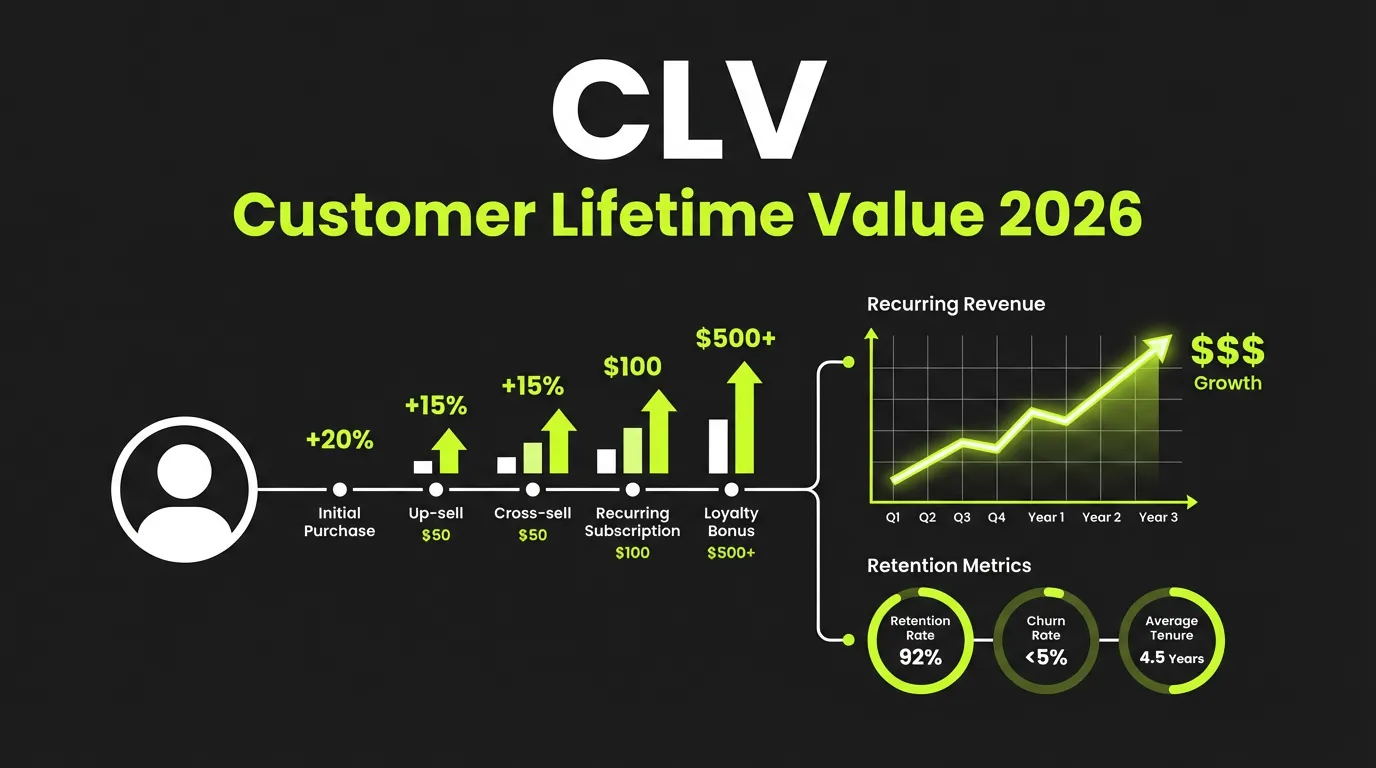
Customer Lifetime Value (LTV) estimates how much a customer is worth over the whole relationship, not just the first purchase. Adding gross margin turns the revenue estimate into a value estimate you can compare directly against acquisition cost.
Example: A customer who spends $45 per order, buys 1.5 times a month, stays for 12 months at a 60% margin is worth $486 (45 × 1.5 × 12 × 0.6). With a $30 CAC, the LTV:CAC ratio is 16:1.
LTV:CAC Benchmarks by Industry
| Industry | Target LTV:CAC | Your Status |
|---|---|---|
| ☁️SaaS / Subscriptions | 3.0:1 | |
| 🛒E-commerce | 2.5:1 | |
| 🎮Mobile Apps & Gaming | 2.0:1 | |
| 💳Fintech | 3.5:1 | |
| 🏪Marketplaces | 2.5:1 | |
| 📦D2C Brands | 2.2:1 |
* Benchmarks are industry averages and may vary by business model, margin profile, and payback requirements.
How to Improve Your LTV
What is an LTV calculator?
An LTV calculator estimates lifetime value from order value, frequency, lifespan and margin.
- $50 four times a year for two years at 40% margin is $160
- The number is only as good as its inputs
- Retention, repeat revenue and cohort maturity all change it
- In AdBid the same logic runs as predictive LTV
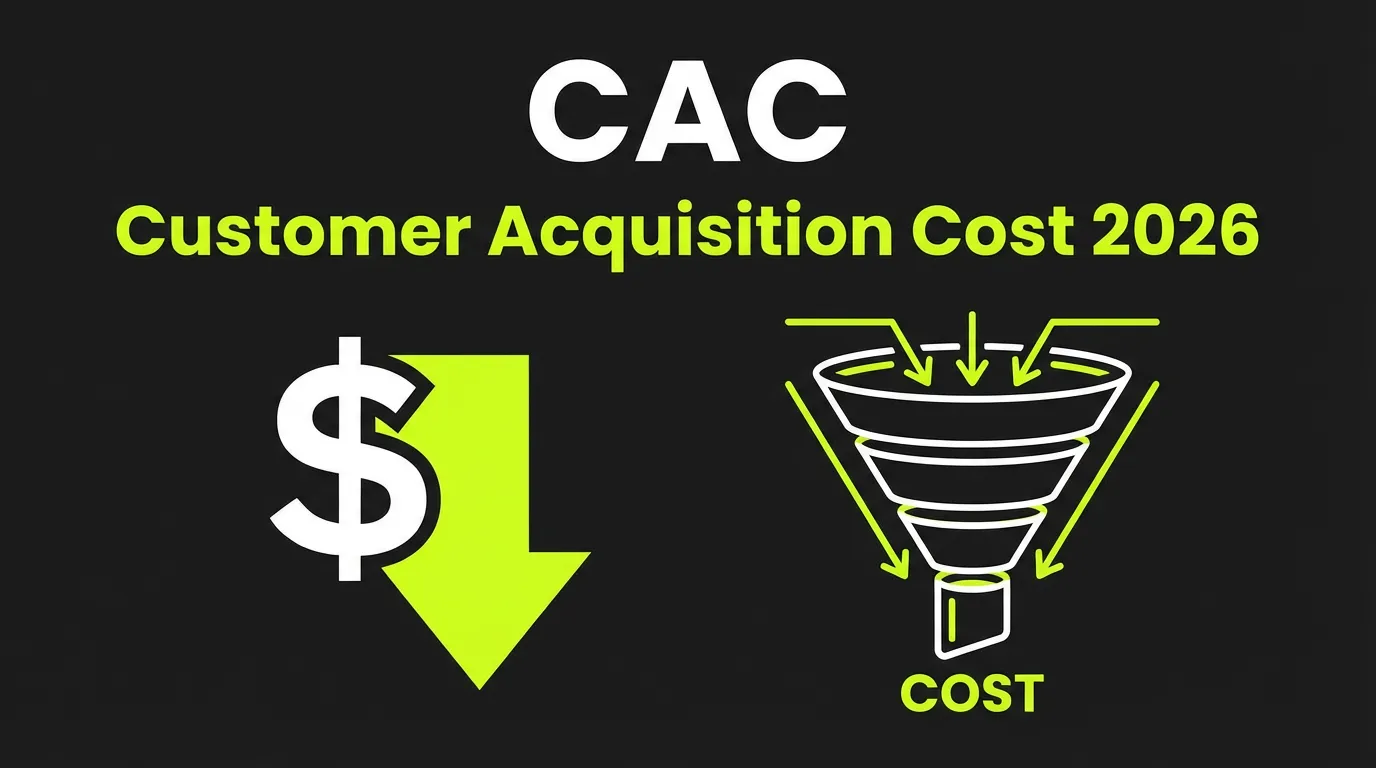
LTV sets the ceiling for acquisition cost
An LTV calculator sets the ceiling for acquisition cost
A CAC that looks expensive against first purchase can be cheap against LTV.
- Estimate value from order size, frequency, and lifespan.
- Adjust with gross margin to compare against CAC honestly.
- Compare LTV:CAC per channel, not only per account.

Read LTV through cohorts and payback
An average LTV blends mature cohorts with customers acquired last week.
- Split LTV by acquisition channel and cohort month.
- Compare payback windows against cash constraints.
- Recheck assumptions as retention and pricing change.
Get started in 5 steps
Enter the campaign inputs
Spend, impressions, clicks or revenue — the calculator solves for the rest.
Read the result beside its neighbours
A metric on its own misleads; pair it with CTR, conversion rate and revenue.
Check it against the benchmarks
Industry averages on the page are orientation, not targets.
Connect an account for live numbers
The same metrics, computed from real spend and revenue instead of estimates.
Let attribution replace the estimates
ROAS, CPA and LTV are read against real paying users from then on.
Common questions about LTV and how to calculate it
Open the next layer
Guides & resources





Move from LTV math to LTV-driven buying.
AdBid judges acquisition on the value it returns, not the cost it starts at.