
AppsFlyer Alternative: AdBid vs AppsFlyer
Teams evaluating an AppsFlyer alternative usually start from measurement scope. AppsFlyer is widely positioned around mobile attribution, deep linking, SKAN-related measurement, analytics, and fraud protection workflows. AdBid approaches attribution differently: measurement sits next to creative production, campaign launch, optimization controls, and revenue intelligence so growth teams can act from the same context they report on.
 Meta Ads
 Google Ads
 TikTok Ads
 Snapchat Ads
 Moloco Ads
What is an AppsFlyer alternative?
An AppsFlyer alternative is a platform for app teams that want attribution to sit closer to the campaign decisions it informs.
- AppsFlyer is built around measurement depth: SKAN, fraud, partners
- AdBid keeps attribution and LTV next to campaign creation
- AdBid does not replace install attribution
- It connects those inputs to the campaigns that produced them
AdBid vs AppsFlyer workflow comparison
Use this table to decide which evaluation path is more relevant for your team.
Swipe to compare all columns →
| Area | AdBid | AppsFlyer |
|---|---|---|
| Primary job | Connect attribution to creative, campaign operations, revenue, and AI decisions. | Dedicated attribution and measurement workflows for mobile growth teams. |
| Deep linking and attribution | Designed around common attribution workflows inside the platform context. | Known for mobile attribution and deep linking products. |
| Campaign execution | Includes campaign workflow, AI agents, creative, and optimization context. | Not positioned as the primary campaign operating layer. |
| Creative workflow | Ad Creative AI generates and organizes paid media assets. | Creative production is not the core product category. |
| Best fit | Teams that want measurement connected to execution. | Teams that need a specialized MMP stack and dedicated measurement depth. |
| Evaluation note | Validate event coverage, revenue mapping, and workflow needs. | Validate contract, platform coverage, data exports, and implementation needs. |
Reviewed September 2026. Vendor capabilities change; verify at the official sources linked below.
Measurement depth against operating context
AppsFlyer is built around measurement
AppsFlyer is a strong reference point for teams evaluating mobile measurement.
- Good fit when standalone MMP depth is the main requirement.
- Useful for teams with mature measurement operations.
- Validate exact platform, data and contract needs


AdBid as an AppsFlyer alternative keeps attribution close to action
AdBid is stronger when the team wants attribution to influence the work immediately around it.
- Attribution, creative, and campaign context stay connected.
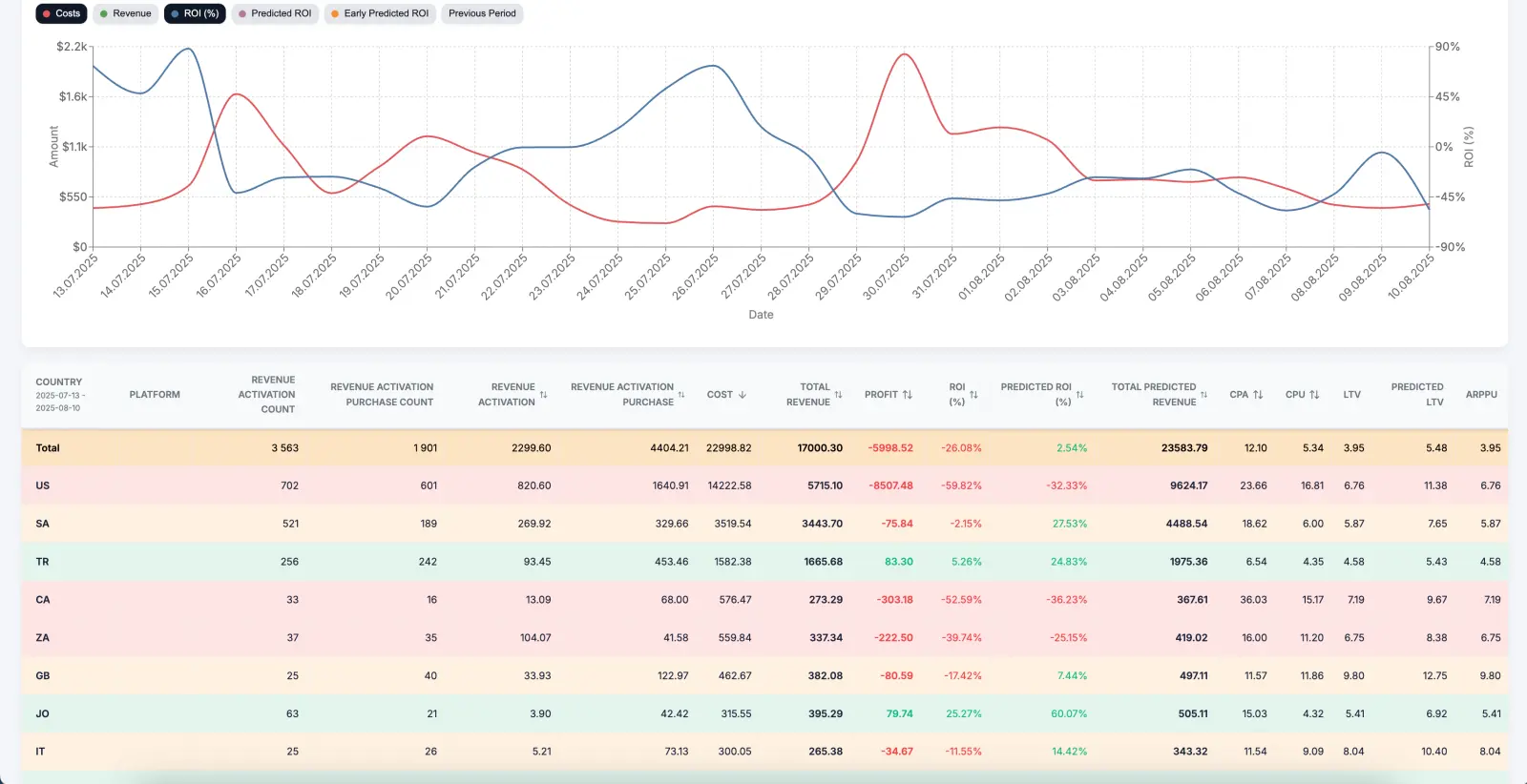
- Revenue and LTV signals support optimization decisions.
- Operators do not have to rebuild context across multiple tools.
What to validate before switching
Do not compare attribution tools only by dashboard screenshots. Validate the data and operating requirements.
Event coverage
Confirm which events must be preserved and which arrive through an SDK.
Historical reporting
Decide what historical data must remain available and what can stay archived in the old stack.
SKAN and privacy needs
Validate privacy measurement requirements before moving production workflows.
Team process
Map who owns attribution, campaign decisions, creative testing, and finance reporting after the switch.
Revenue mapping
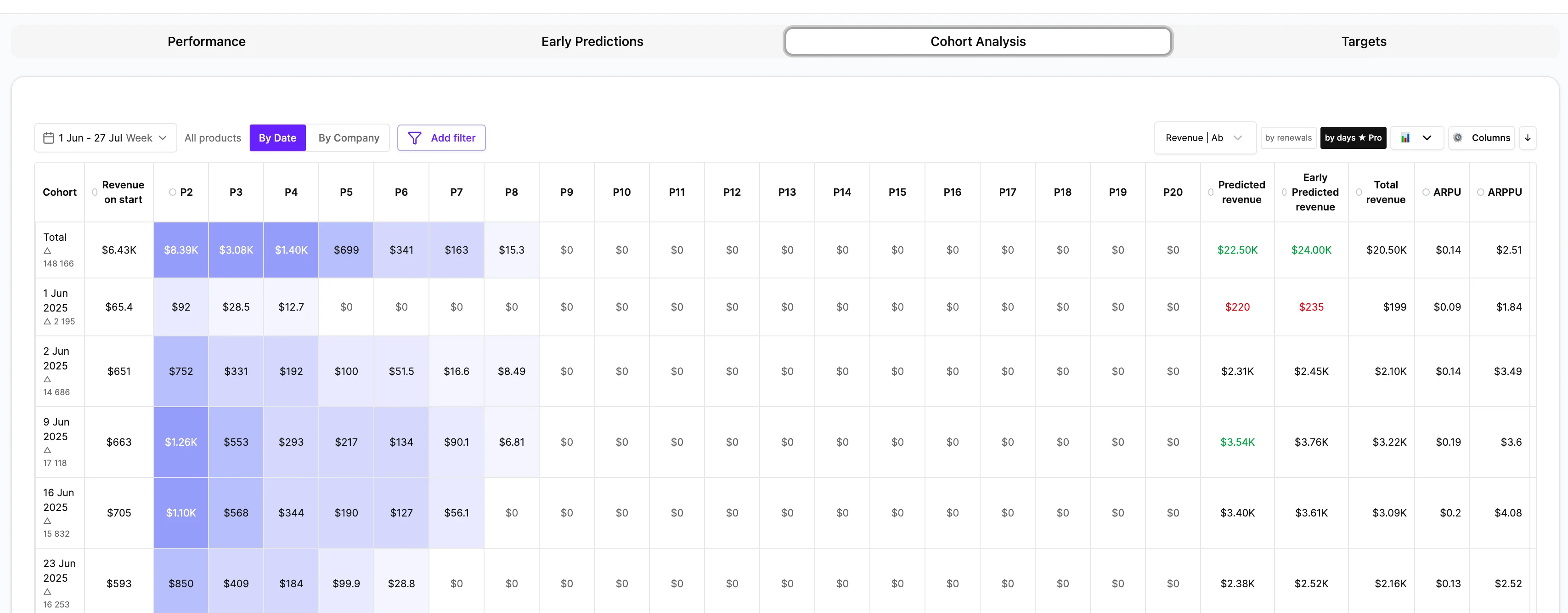
Confirm how downstream value connects to campaign and creative decisions.
Rollout plan
Run a controlled migration instead of changing every workflow at once.
Get started in 5 steps
Compare on the table
Creative, launch, measurement and pricing side by side, sources linked.
Start free
Platform access is free; the fee is 1% of managed spend, no subscription.
Connect an ad account
Meta, Google or TikTok. Attribution comes with it.
Launch one test group
A brief becomes a campaign tree that waits for your approval.
Decide on revenue
Compare the test on ROAS and payback, not on platform-reported conversions.
Common questions about AppsFlyer alternatives
Open the next layer
Guides & resources

Where these descriptions come from
Public product material, last checked July 20, 2026.