
Part of our Meta Ads Platform guide series.
Key Takeaways
:::highlight AI Is THE Trend for 2026 Using AI agents for marketing has been THE trend for 2025 and will continue through 2026. Martech trends will be dominated by AI. But "set and forget" is a recipe for disaster. :::
- Advanced AI bidding operates as "black boxes" that can unintentionally degrade ROI
- 24% of AI users already use AI shopping assistants
- The key isn't avoiding AI—it's managing it strategically
- Human oversight remains critical for guardrails and strategy
- AI excels at optimization, humans excel at creativity and judgment
If you're scaling this across accounts, AdBid pulls planning, launch, and optimization into a single workflow.
The State of AI in Marketing
Every major platform now runs on AI:
- Google Performance Max — Fully automated campaigns
- Meta Advantage+ — AI-optimized everything
- TikTok Smart Performance — Automated creative selection
- Amazon Auto Campaigns — ML-powered bidding
- Microsoft PMAX — Following Google's lead
:::info The Paradigm Shift "There's a proliferation of advanced AI-powered bidding and optimization algorithms. These systems operate as 'black boxes' that can unintentionally degrade ROI if not managed strategically." :::
This isn't optional. AI automation is how these platforms work now.
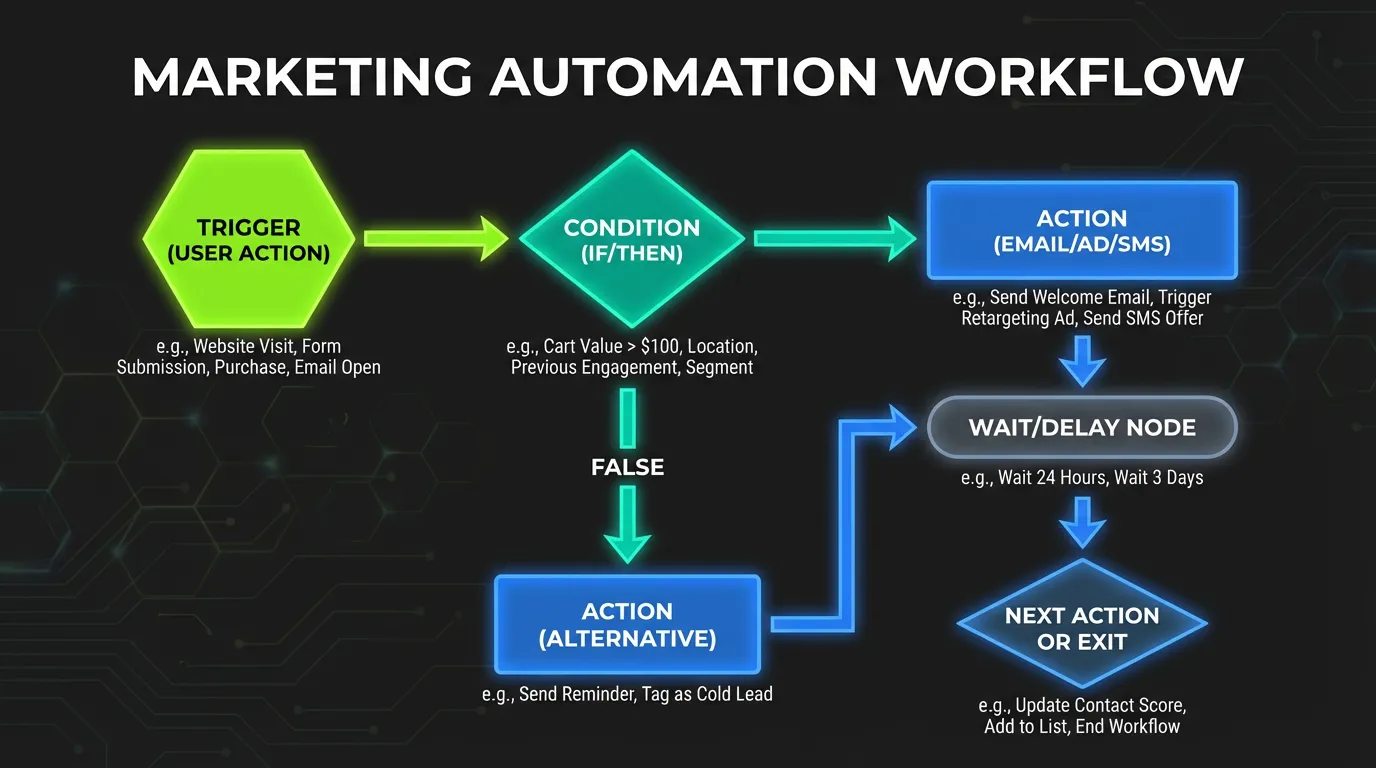
Understanding Platform AI
Google Performance Max
What it automates:
- Bidding
- Targeting
- Placements (Search, Display, YouTube, Maps, Gmail, Discover)
- Creative combinations
- Budget allocation across channels
What you control:
- Budget
- Goals (conversions, value)
- Asset inputs (headlines, images, videos)
- Audience signals
- Brand exclusions
:::warning PMAX Blindspot You can't see which placements drive results. YouTube, Search, Display are bundled. Use brand exclusions aggressively. :::
Meta Advantage+
Advantage+ Shopping Campaigns (ASC):
- Automated targeting (broad)
- Creative testing at scale
- Budget optimization across ads
- Placement optimization
Advantage+ Creative:
- Auto-adjusts creative elements
- Adds music, text variations
- Optimizes visual composition
- Tests automatically
Advantage+ Audience:
- Starts with your targeting
- Expands automatically if performance warrants
- You set "suggestion" not restriction
TikTok Smart Performance
Automation includes:
- Audience discovery
- Creative optimization
- Bid adjustments
- Budget allocation
Human inputs:
- Campaign objective
- Creative assets
- Budget limits
- Brand guidelines
The Problem with "Set and Forget"
"In 2026, the key to success isn't simply 'setting and forgetting' these algorithms."
Why Automation Can Fail
1. Optimization to Wrong Goals AI optimizes ruthlessly to whatever you tell it. Wrong goal = wrong outcomes.
2. Data Quality Issues Bad conversion data trains bad models. GIGO applies to AI.
3. Budget Misallocation AI might spend efficiently but not effectively—hitting easy targets, missing valuable ones.
4. Creative Decay Algorithms don't know when creative is stale. They optimize until performance craters.
5. Competitive Blindness AI doesn't know your competitors launched. It just sees performance change.
:::danger Real Example "I've seen Advantage+ campaigns crush it for 6 weeks, then slowly burn through budget on low-value placements while reporting 'stable' ROAS. The AI found a local maximum, not the global one." :::
Strategic AI Management
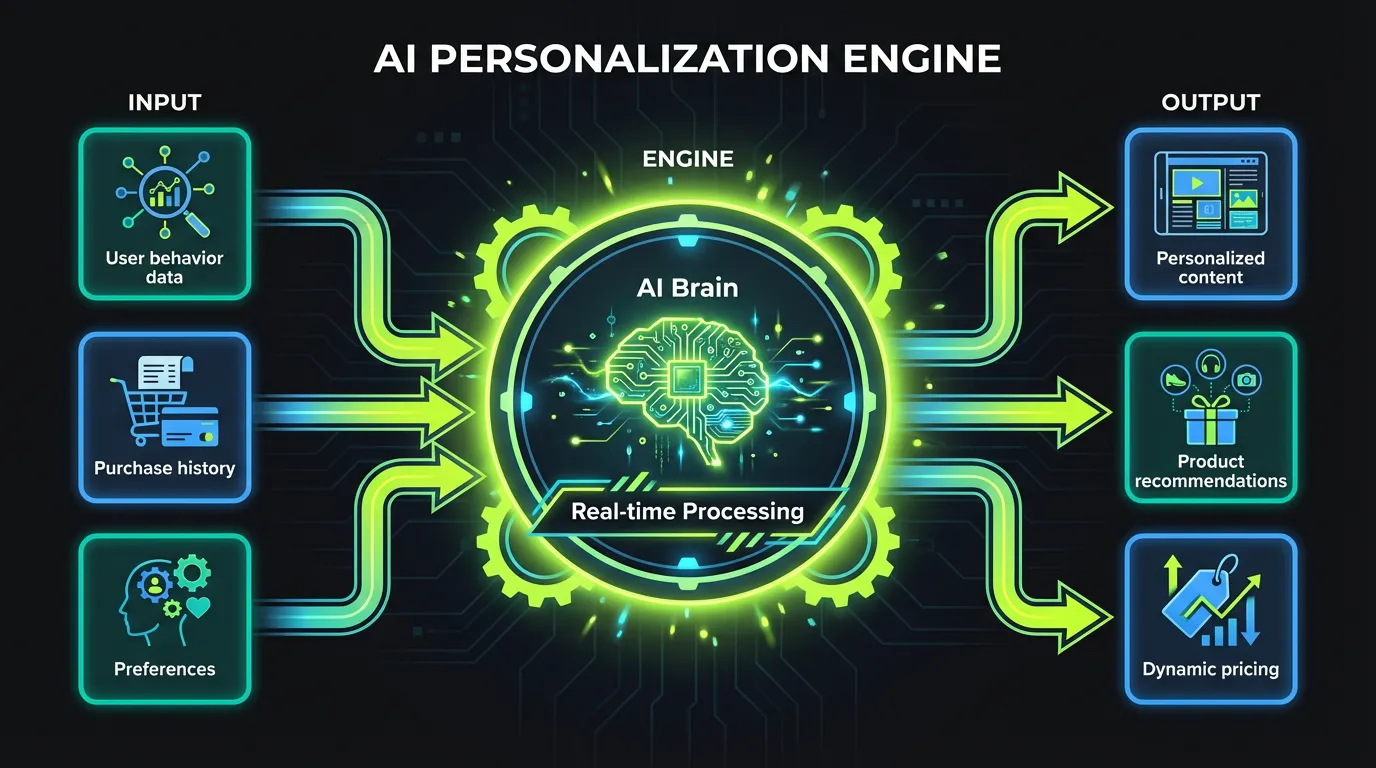
Layer 1: Goal Architecture
Your AI is only as good as your goals.
Common mistakes:
- Optimizing to purchases when you want new customers
- Optimizing to leads when you want qualified leads
- Using platform-default attribution windows
Better approach:
| Business Goal | Platform Goal | Qualification |
|---|---|---|
| New customer growth | Purchase | Exclude existing customers |
| Profitable growth | Value | Use accurate values |
| Lead quality | Lead | Optimize to downstream signals |
Layer 2: Data Quality
:::tip Data = Model Quality Feed the AI better data:
- Server-side tracking (CAPI) for accuracy
- Enhanced conversions for identity
- Offline conversion import for full funnel
- Value data for optimization signals :::
Data quality checklist:
- Server-side tracking implemented
- Conversion values accurate
- Attribution window appropriate
- Deduplication working
- Offline events imported
Layer 3: Guardrails & Constraints
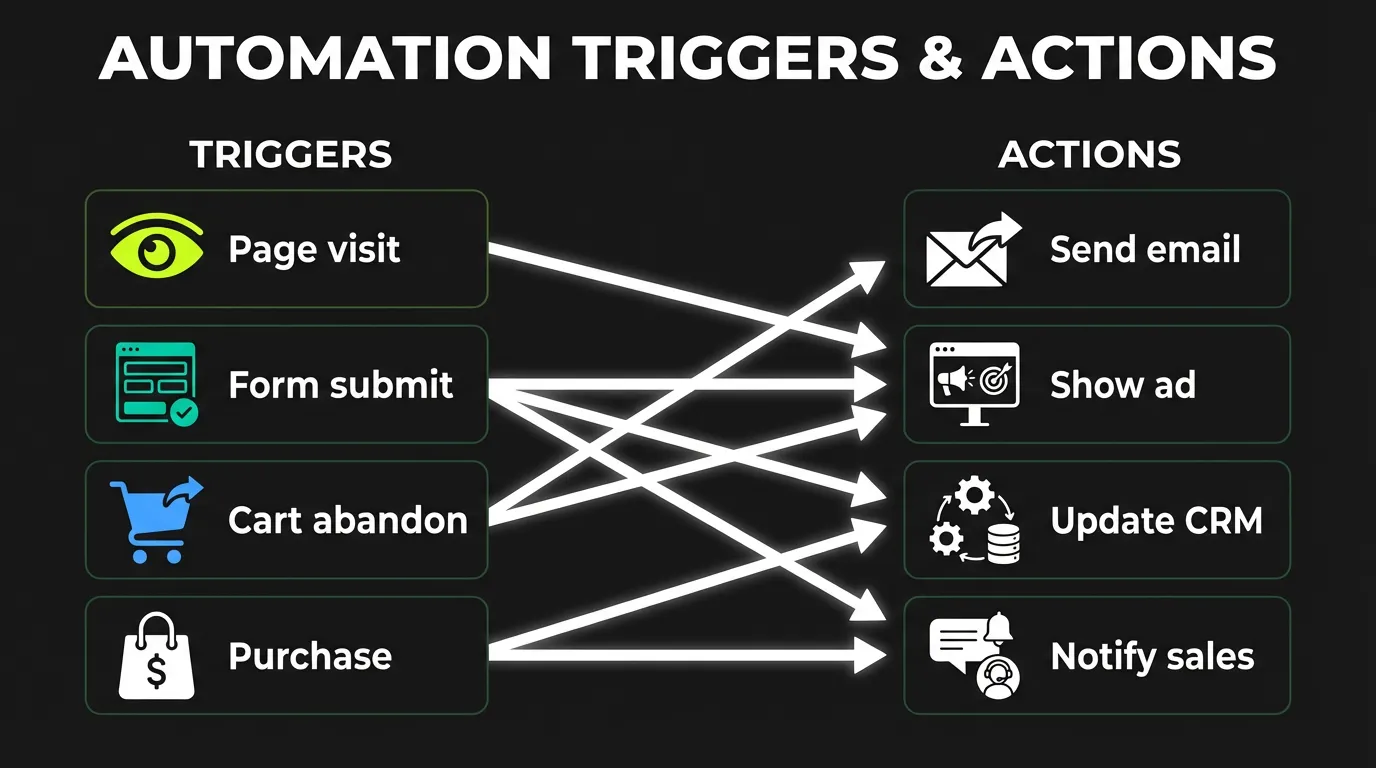
Don't give AI unlimited freedom:
Budget guardrails:
- Daily and lifetime caps
- Channel-level budgets (where possible)
- Pacing controls
Targeting guardrails:
- Brand safety exclusions
- Audience exclusions (existing customers)
- Placement exclusions
- Geographic restrictions
Creative guardrails:
- Brand guidelines encoded
- Off-brand assets excluded
- Review before launch
Layer 4: Monitoring & Intervention
:::highlight The Human Role Humans excel at: pattern recognition across campaigns, understanding why not just what, creative judgment, strategic pivots, and catching errors AI can't see. :::
Monitoring cadence:
| Metric | Check Frequency |
|---|---|
| Spend vs. budget | Daily |
| Core KPIs (ROAS, CPA) | Daily |
| Creative performance | 2-3x/week |
| Audience insights | Weekly |
| Incrementality | Monthly |
When to intervene:
- Performance declining 3+ days
- Creative showing fatigue signs
- New competitor activity
- Business context changes
- Algorithm doing something odd
Practical AI Optimization Tactics
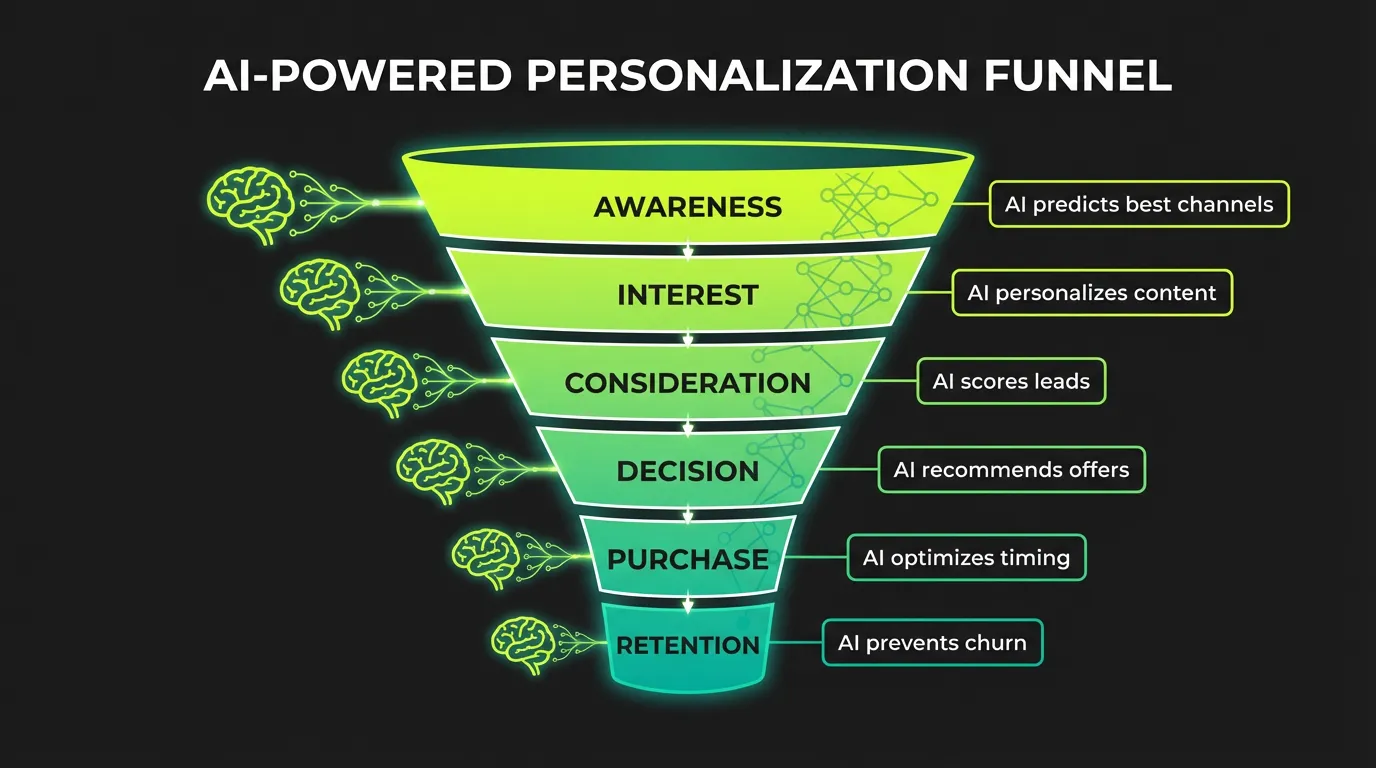
1. Feed Better Creative
AI can only test what you give it.
For Meta Advantage+:
- 20+ creative variations
- Mix formats (static, video, carousel)
- Test different hooks
- Include UGC styles
- Refresh every 2-4 weeks
For Google PMAX:
- Maximum asset slots filled
- High-quality images (multiple aspect ratios)
- Video assets (AI rewards video)
- Diverse headline themes
- Extensive description coverage
2. Layer Your Campaigns
Don't rely on one AI-optimized campaign:
Campaign structure example:
| Campaign | Purpose | AI Level |
|---|---|---|
| ASC/PMAX | Scale, efficiency | Full auto |
| Retargeting | Catch remarketing | Semi-auto |
| Prospecting test | Test new audiences | Manual control |
| Brand | Protect brand terms | Manual |
3. Use Audience Signals Strategically
AI audience "signals" tell the algorithm where to start, not where to stop.
Effective signals:
- Customer list (first-party data)
- Website visitors (pixel data)
- High-value customer segments
- Lookalike seed audiences
:::tip Signal Strategy Use your best customers as signals. AI expands from there, but starting point matters. :::
4. Incrementality Testing
How do you know AI is actually working?
Test approaches:
- Geo holdouts
- Platform lift studies
- Before/after tests
- Budget shift tests
"Run incrementality tests on AI campaigns quarterly. Trust but verify."
5. Portfolio Management
Think of AI campaigns as investments in a portfolio:
Diversification:
- Multiple AI campaign types
- Some manual campaigns for control
- Cross-platform presence
- Different objective campaigns
Rebalancing:
- Shift budget based on true incrementality
- Don't let one campaign dominate
- Test new AI features with small budgets
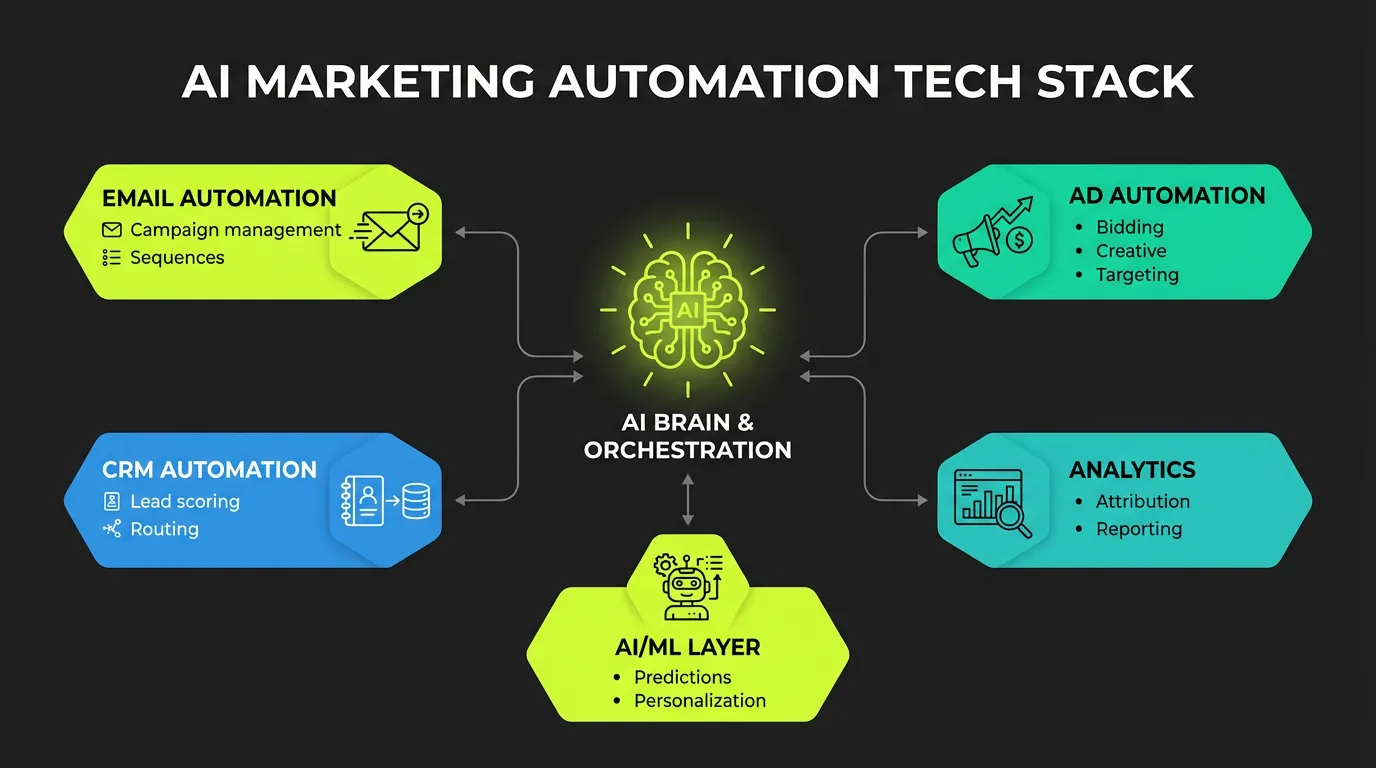
Platform-Specific Best Practices
Google Performance Max
Do:
- Use value-based bidding with accurate values
- Fill all asset slots
- Add audience signals
- Use brand exclusions
- Monitor Search terms report
Don't:
- Use alongside standard campaigns without coordination
- Ignore asset performance ratings
- Set unrealistic ROAS targets
- Forget negative keywords (Search brand)
Meta Advantage+ Shopping
Do:
- Test ASC vs. traditional structure
- Use country-level targeting minimum
- Feed diverse creative
- Set customer acquisition goals
- Use value optimization
Don't:
- Over-rely on one campaign
- Forget to exclude existing customers
- Use if you need creative control
- Ignore placement distribution
TikTok Smart Performance
Do:
- Start with creative diversity
- Use TikTok-native formats
- Let algorithm run 7+ days before judging
- Test against manual campaigns
Don't:
- Use repurposed Instagram content
- Judge too quickly
- Forget TikTok's unique audience
AI for Creative
AI-Generated Creative
The next frontier: AI creating the ads, not just optimizing them.
Current capabilities:
- Image generation (DALL-E, Midjourney)
- Video creation (Runway, Sora)
- Copy generation (GPT-4, Claude)
- Audio/voiceover
- Personalization at scale
:::warning Creative AI Caution AI creative is a tool, not a replacement. Human judgment for brand fit, originality, and taste remains essential. :::
Creative Testing at Scale
AI enables massive creative testing:
Old way:
- 5 ad variations
- A/B test over weeks
- Winner takes all
New way:
- 50+ variations
- AI tests continuously
- Dynamic allocation to winners
- Real-time optimization
AI Shopping Assistants: The New Consumer
"24% of AI users are already using an AI shopping assistant. CMOs will need their brands to actively service these non-human consumers."
What This Means
AI assistants (ChatGPT, Perplexity, Google AI Overview) are recommending products.
Implications:
- Your content must be AI-readable
- Product information must be structured
- Reviews and authority matter more
- Brand consistency across touchpoints essential
Preparing for AI Consumers
- Structured data — Schema markup everywhere
- Authority signals — Reviews, mentions, expert citations
- Clear product information — AI needs facts
- Brand consistency — Same story everywhere
Building an AI-Ready Team
New Skills Needed
| Skill | Why It Matters |
|---|---|
| Data analysis | Understand AI outputs |
| Statistical thinking | Interpret tests and signals |
| Strategic thinking | Set AI in right direction |
| Creative judgment | What AI can't evaluate |
| Platform expertise | Know what's possible |
Team Structure Evolution
Old model:
- Channel specialists (Facebook person, Google person)
- Manual optimization focus
- Execution-heavy
New model:
- Full-funnel strategists
- Data/measurement specialists
- Creative strategists
- AI oversight and guardrails
Common AI Mistakes
1. Complete Autopilot
AI needs human direction and correction.
2. Wrong Optimization Goal
Optimizing to clicks when you want purchases. Seems obvious, but happens constantly.
3. Insufficient Creative Fuel
AI can only test what you give it. More inputs = better optimization.
4. Ignoring Incrementality
Platform-reported ROAS ≠ true lift. Test to verify.
5. Over-Trusting Black Boxes
If you can't explain why AI made a decision, you can't fix it when it breaks.
The Bottom Line
AI marketing automation in 2026 requires:
- Strategic direction — Tell AI what you actually want
- Quality data — Better inputs = better outputs
- Guardrails — Constraints prevent disasters
- Monitoring — Human oversight catches what AI misses
- Testing — Verify AI is actually delivering incremental value
:::tip The AI Mindset "AI is a powerful tool, not a strategy. The marketers who win will use AI to execute faster while maintaining strategic control." :::
"The key to success isn't 'setting and forgetting' these algorithms. It's managing them strategically with human oversight."
AdBid helps you monitor AI campaign performance across platforms. See the real impact of automation on your business. Start monitoring.