
How to Scale Mobile App Advertising in 2026
Mobile app advertising looks nothing like it did before iOS 14.5. Privacy frameworks reshaped how marketers measure installs, attribute revenue, and decide where the next dollar goes. The channels are familiar, yet the rules underneath them keep shifting. Growth teams now juggle SKAN on iOS, Privacy Sandbox on Android, and a steady move toward first-party data. This guide walks through the channels that still drive installs, the measurement strategies that survive privacy changes, and the metrics that tell you whether your spend actually pays back. The goal is simple: help you build campaigns that scale without burning budget on signals you can no longer trust.
Key Takeaways
- Meta, Google, TikTok, and Apple Search Ads remain the core install channels, each with a distinct creative and targeting profile.
- SKAN conversion value schemas and server-side tracking are now table stakes for accurate iOS measurement.
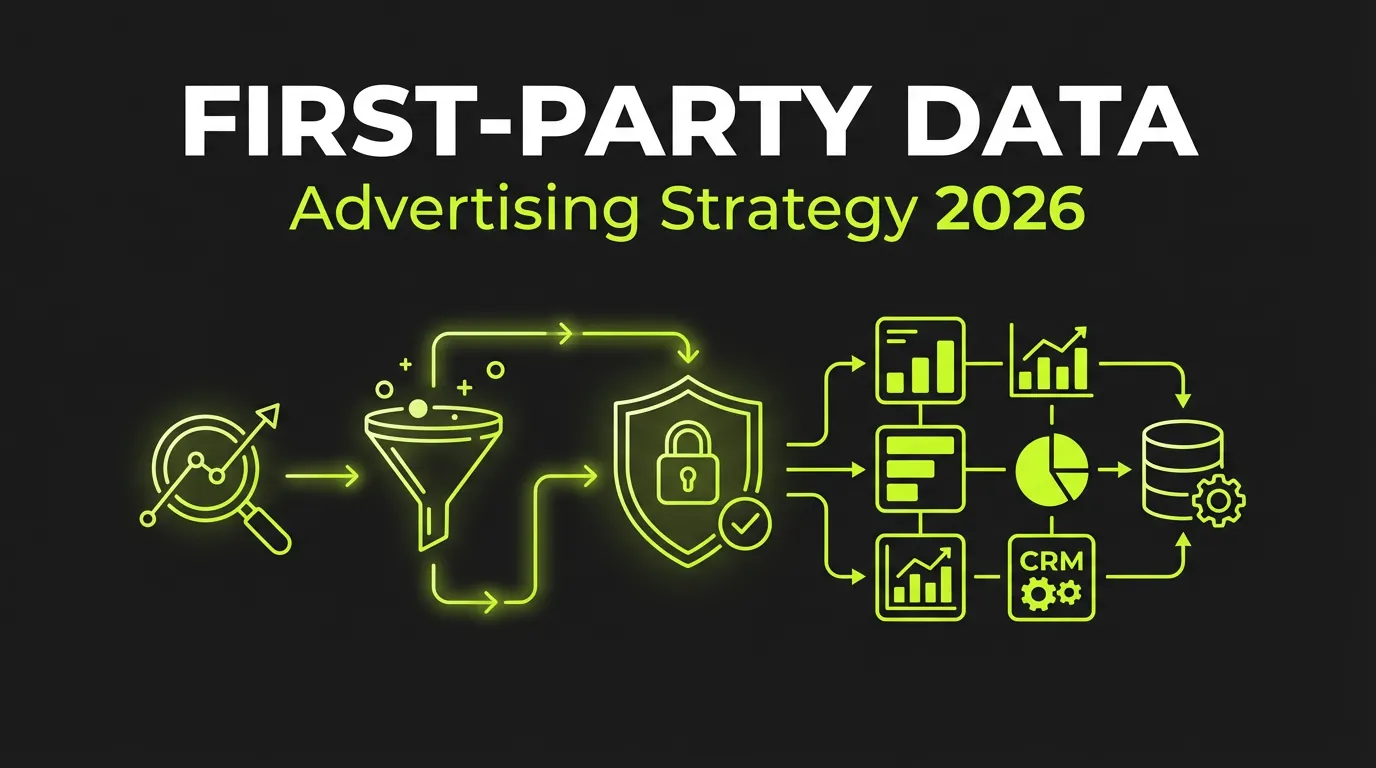
- First-party data, not third-party identifiers, increasingly powers targeting and retargeting.
- Judge campaigns on payback quality (LTV:CAC and early ROAS), not raw install volume.
Why Has Mobile App Advertising Changed So Much?
The shift traces back to Apple's App Tracking Transparency, which made the IDFA opt-in rather than default. That single change broke the deterministic attribution most user acquisition teams relied on. Google followed with its own privacy roadmap for Android. The result is an ecosystem where probabilistic and aggregated measurement replaced one-to-one tracking.
For marketers, this means a few things in practice. You can no longer assume every install maps cleanly to a campaign. You need modeled data to fill gaps. And you have to design campaigns that feed the platform algorithms enough signal to optimize on their own.
The teams adapting well treat privacy as a constraint, not a crisis. They lean into platform automation, invest in their own data, and accept that some uncertainty is now permanent. If you want a wider view of how acquisition fits into the full funnel, our mobile app marketing strategy guide covers retention and monetization alongside paid growth.
Which Channels Drive App Installs in 2026?
No single channel wins for every app. The strongest acquisition mixes blend reach platforms with high-intent ones, then balance spend based on payback. Below are the four channels most growth teams build around, along with the strategies that tend to work on each.
Meta App Install Campaigns
Meta remains one of the largest sources of paid installs for most categories. Its automation has consolidated around Advantage+ App Campaigns, which lean heavily on machine learning to find users likely to convert.
To get the most from Meta, optimize for deeper in-app events where you have the volume to support it. Purchases and subscriptions teach the algorithm more than raw installs do. Test video against static creative, since the platform rewards formats that hold attention. Feed it plenty of creative variety so it can find pockets of demand you would not target manually.
Google App Campaigns
Google App Campaigns run automatically across Search, Display, YouTube, and the Play Store. You provide assets and goals; the system handles placement and bidding. That hands-off model can frustrate marketers used to granular control.
The trick is to supply diverse, high-quality creative assets and let the algorithm explore. Headlines, descriptions, images, and video all matter. Give the campaign room to learn before judging results, and resist the urge to over-restrict targeting, which can starve the model of signal.
TikTok App Install
TikTok continues to grow as an install channel, especially for apps targeting younger audiences. The platform rewards content that feels native rather than polished.
User-generated style creative consistently outperforms studio ads here. Hooks in the first few seconds decide whether the install happens. Where you have the data, optimize toward in-app events rather than installs alone, so the platform finds users with real intent rather than casual tappers.
Apple Search Ads
Apple Search Ads captures high-intent users at the moment they search the App Store. Because intent is so strong, conversion rates on well-matched keywords tend to run higher than broad social channels.
Bid on your brand terms first to defend against competitors, then test competitor and category keywords. Search Tab and Today Tab placements extend reach beyond pure search. For a deeper walkthrough of structure and bidding, see our Apple Search Ads guide.
How Do You Optimize for iOS Privacy Rules?
iOS measurement now runs primarily through SKAN, Apple's privacy-preserving attribution framework. It reports conversions in aggregate, with delays and limited granularity, so your setup choices directly shape how much you can learn.
SKAN Conversion Value Schema
Your conversion value schema is the most important configuration decision on iOS. It defines which post-install events get encoded into the limited values SKAN can return. Map the events that predict long-term value, such as early purchases or key activation steps.
Balance granularity against volume. Too many fine-grained values fragment your data below privacy thresholds, and Apple suppresses thin signals. Too few values leave you blind to what separates good users from churners. Many teams use predictive models to extend these early signals into longer-horizon estimates.
First-Party Data and Server-Side Tracking
First-party data is the durable foundation under all of this. Implement server-side tracking so events flow reliably even when client-side signals drop. Build owned channels, including email and push, to re-engage users without relying on paid retargeting.
Use the data you collect with consent to inform lookalike and Customer Match audiences. The apps that win on iOS are the ones that turn their own behavioral data into a targeting advantage. For the measurement side specifically, our mobile attribution guide explains how SKAN, MMPs, and incrementality fit together.
How Should You Measure App Marketing Success?
Install counts alone mislead. The metrics that matter connect spend to retained, paying users over time. A campaign that drives cheap installs but no retention quietly drains budget while looking healthy on a surface dashboard.
Track these core metrics together rather than in isolation:
- CPI (Cost Per Install): Your entry-point efficiency, useful only alongside quality measures.
- Early ROAS (such as D7): Whether spend recovers revenue in the first week.
- D30 Retention: Whether users stick around long enough to monetize.
- LTV:CAC ratio: The clearest signal of sustainable growth.
A common rule of thumb is to aim for an LTV:CAC ratio above 3x, though healthy benchmarks vary by category and monetization model. The point is to optimize toward value, not volume. If your install costs look great but retention collapses by week one, the channel or creative is attracting the wrong audience.
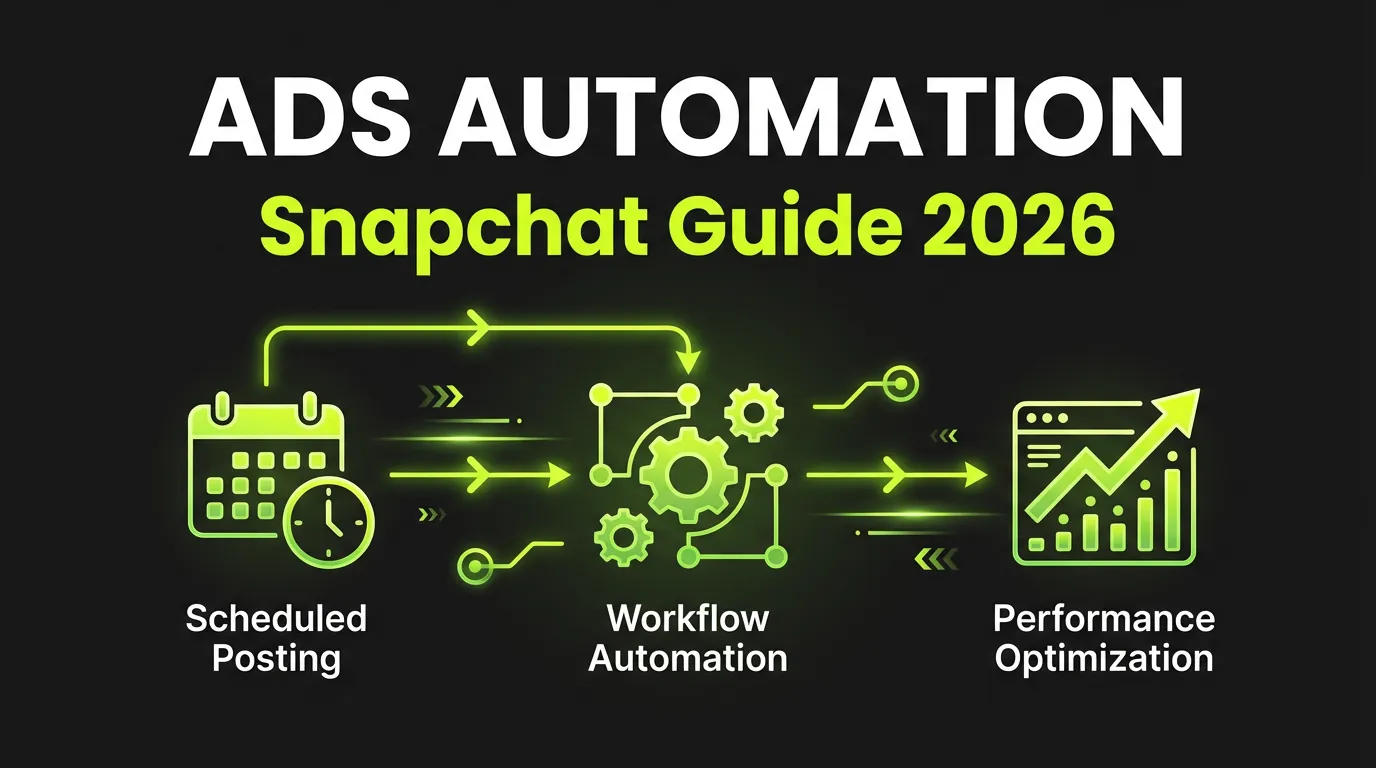
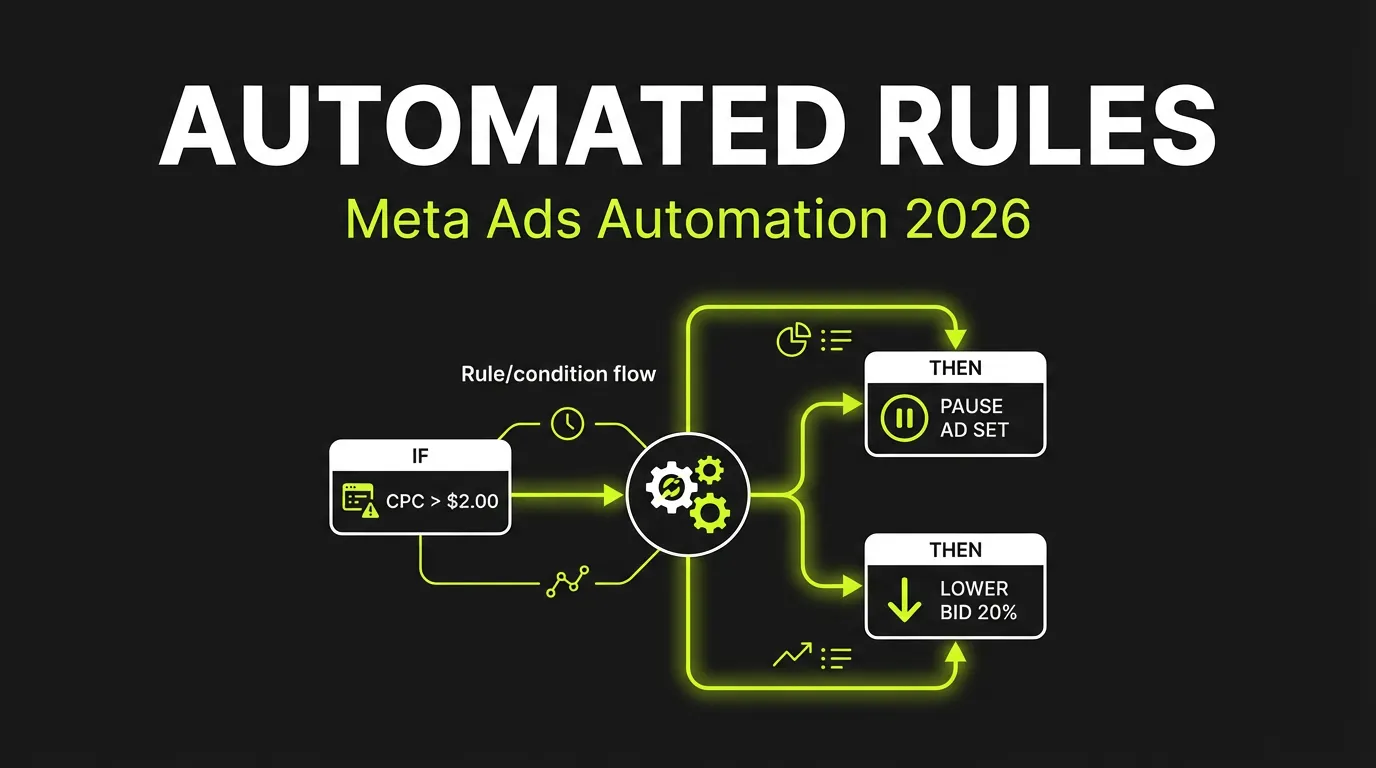
This is also where automation earns its place. Modeling early signals into predicted lifetime value lets you make budget decisions before full payback data arrives. For the broader playbook on install-focused campaigns, our mobile app install advertising guide goes deeper on bidding and scaling tactics.
Ready to connect acquisition decisions to real payback? Explore the AI Agents Ads Manager to automate budget shifts toward your highest-value users.
Frequently Asked Questions
What is SKAN and why does it matter for app advertising?
SKAN, or SKAdNetwork, is Apple's privacy-preserving attribution framework for iOS. It reports campaign conversions in aggregate without exposing individual user data. It matters because, after App Tracking Transparency, SKAN became the main way to measure iOS installs and post-install events at scale.
Which channel is best for mobile app installs?
There is no single best channel. Meta and Google offer broad, automated reach, TikTok excels with younger audiences and native creative, and Apple Search Ads captures high-intent App Store searchers. Most teams blend several channels and shift budget based on which delivers the best payback quality.
How do I measure app marketing if I can't track individual users?
Lean on aggregated and modeled measurement. Configure your SKAN conversion value schema to capture value-predicting events, implement server-side tracking for reliability, and use predictive LTV models to estimate long-term value from early signals. Judge results on cohort metrics like retention and LTV:CAC rather than per-user attribution.
What LTV:CAC ratio should I aim for?
A widely cited benchmark is an LTV:CAC ratio above 3x, meaning lifetime value should comfortably exceed acquisition cost. The right target depends heavily on your category, monetization model, and payback window, so treat 3x as a starting reference rather than a universal rule.
Conclusion
Scaling mobile app advertising in 2026 is less about chasing the cheapest install and more about building durable systems. The channels still matter, but the teams that win design campaigns that feed platform algorithms clean signals, invest in first-party data, and measure success by payback quality rather than raw volume. Privacy changes are not going away, so treat aggregated and modeled measurement as the new normal. Start by tightening your SKAN schema, shoring up server-side tracking, and aligning every channel to an LTV:CAC target you can defend. From there, automation can carry the day-to-day budget decisions while you focus on creative and strategy. To put these ideas into practice, head to your dashboard and start optimizing toward the users who actually pay back.